Drugged Drivers Risk Conviction Under Strict Colorado Laws
Millions of people in America drive while under the influence of alcohol, drugs, or, very often, both.
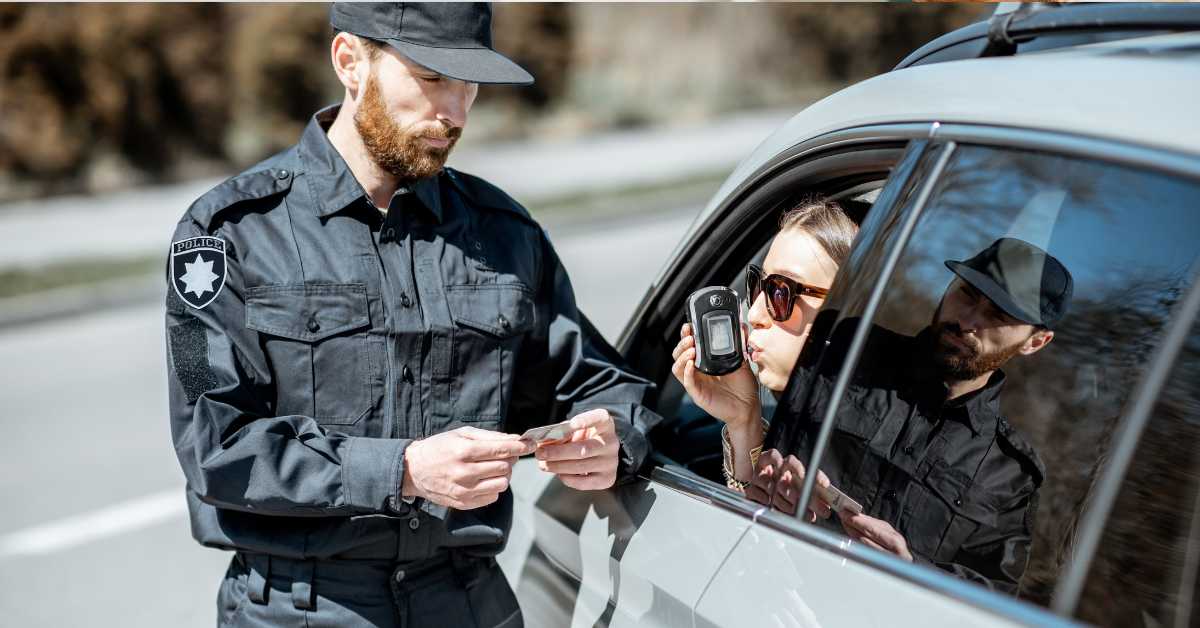
In Colorado, many police officers are drug recognition experts or DREs. They can arrest drugged drivers based on observation of impairment, and, for those convicted, the penalties are harsh.
A little background
Every day in the state of Colorado, law enforcement officers arrest more than 60 people for driving under the influence of alcohol, drugs, or a combination of the two. Alcohol is the substance most often found in the bloodstream of drivers involved in vehicle crashes, followed by marijuana.
Although there are no roadside tests as yet for cannabis use, testing following an arrest for DUI will show the level of the mind-altering marijuana ingredient delta-9-tetrahydrocannabinol, or THC, that is present in the driver’s blood. Keep in mind that there is a link between prescription drugs and many vehicle crashes. Research studies show that in 2016, 19.7% of drivers arrested for DUI tested positive for some kind of opioid.
Impairment issues
Studies undertaken by the National Highway Traffic Safety Administration show that cannabis use has many of the same effects as alcohol consumption. Drivers experience slower reaction time, impaired cognitive performance, impaired decision-making abilities, decreased attention span and driving performance issues such as difficulty staying within a lane.
Risk of DUI conviction
In the state of Colorado, a law enforcement officer who arrests a driver on suspicion of DUI will usually not test for drugs if the driver has already tested positive for an illegal blood alcohol content level. However, in terms of a drug-only arrest, a blood test showing five nanograms or more of active THC per milliliter lets the jury infer that the driver was under the influence of drugs (C.R.S. 42-4-1301(6)(a)(IV)). That is an inference, not an automatic conviction, and it can be challenged.
In addition to the loss of driving privileges, the possibility of jail time, and a court-ordered ignition interlock device, the convicted driver might also have to pay a fine of $600 to $1,000 for a first DUI, or $600 to $1,500 for a second or third offense, plus mandatory surcharges and costs (C.R.S. 42-4-1307). Drugged driving is costly in many respects, and anyone convicted of DUI will be in search of the best outcome possible for his or her case.