Why Charges Don’t Always Match What Actually Happened
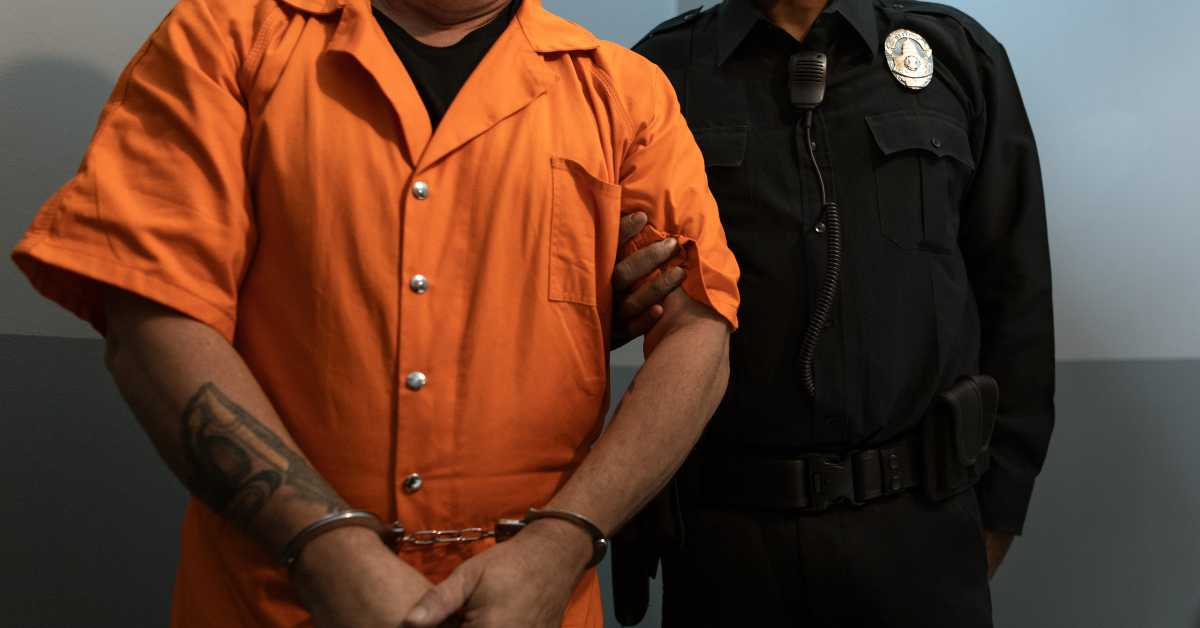
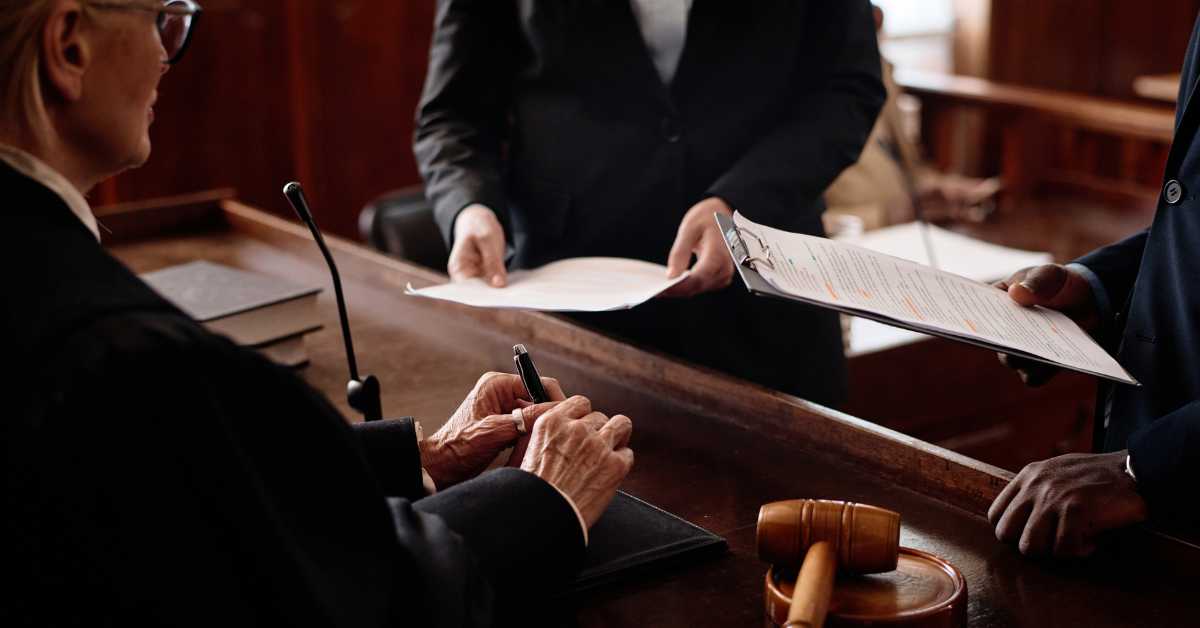
The charges filed against you don't always match what actually happened; prosecutors have wide discretion, and police reports can contain errors.
At Grant & Associates Law Firm, P.C., our criminal defense attorneys in Greeley, Colorado, often meet clients surprised that the charges filed against them don’t fully reflect what they believe happened.
Understanding why this happens is essential for protecting your legal rights and building a strong defense. Here's why that gap exists and what you can do about it.
How Charges Are Determined
Charges are typically filed by the prosecutor’s office based on police reports, witness statements, and evidence collected at the scene. According to the U.S. Department of Justice, prosecutors have discretion in determining the severity and type of charges, which may not always perfectly reflect what occurred.
Factors that can influence charges include:
- The officer’s perception of the incident
- Conflicting witness accounts
- Incomplete or misleading evidence
- Standard charging practices in the jurisdiction
This means two people involved in the same incident could face very different charges depending on how the evidence is interpreted.
Miscommunication and Reporting Errors
Police reports are often the foundation for charges, but errors in reporting or miscommunication between officers and witnesses can distort events. Common issues include:
- Mistaken identity or confusion over actions
- Misrecorded times, locations, or statements
- Misinterpretation of behavior as threatening or unlawful
Even small discrepancies can result in charges that don’t fully align with reality. That’s why reviewing reports and consulting a criminal defense attorney quickly is critical.
Overcharging and How Charge Levels Work
Criminal law categorizes offenses into felonies, misdemeanors, and infractions. Sometimes, prosecutors may file a more serious charge as a precaution, leaving the court to determine the appropriate resolution later.
For example, an altercation might initially be charged as second-degree assault even when injuries were minor or absent, giving prosecutors room to adjust the charge downward, potentially to third-degree assault, once the evidence is fully evaluated.
Colorado classifies assault by degree rather than by a single catch-all offense, and the degree charged carries very different consequences.
Why Legal Representation Matters
Having an experienced criminal defense attorney is crucial when charges don’t match the actual events. At Grant & Associates Law Firm, P.C. in Greeley, our attorneys:
- Review all evidence and police reports
- Identify discrepancies or errors
- Advocate for reduced or dismissed charges
- Protect clients’ rights throughout the criminal process
Early intervention can prevent minor misunderstandings from becoming serious legal consequences.
Steps to Take if You Face Charges
- Contact an attorney immediately – Avoid making statements to law enforcement without guidance.
- Document your account of events – Include dates, times, witnesses, and any supporting evidence.
- Review police reports – Verify accuracy and note discrepancies.
- Stay informed about your rights – Understand the charges and potential consequences.
Taking these steps early can make a substantial difference in your defense strategy.
Are You Being Charged with More Than You Did? Contact Grant & Associates
If you are facing criminal charges in Greeley, Colorado that don’t seem to match what actually happened, don’t wait to act. Contact Grant & Associates Law Firm, P.C. at (970) 356‑5666 to schedule a consultation and have experienced attorneys guide you through your defense.
Frequently Asked Questions
1. Why do prosecutors sometimes charge more than what happened?
Prosecutors have discretion and may file charges based on the potential severity, incomplete evidence, or as a precautionary measure while the investigation continues.
2. Can charges be reduced if they don’t match the facts?
Yes. An experienced criminal defense attorney can challenge the evidence, highlight discrepancies, and negotiate reduced or dismissed charges.
3. Should I speak to law enforcement if I believe the charges are wrong?
It’s best to consult an attorney first. Anything you say can be used against you, even if your account is accurate.