How Anxiety, Fatigue, or Medical Conditions Mimic DUI “Signs”
Not every driver who looks impaired has been drinking. Anxiety, exhaustion, and a long list of medical conditions can produce the exact behaviors a Colorado law enforcement officer is trained to read as signs of intoxication, like slurred speech, poor balance, slow reactions, and even an elevated breathalyzer reading. The result is a measurable number of DUI arrests every year that turn on medical evidence rather than alcohol.
At Grant & Associates Law Firm, P.C., our Greeley criminal defense attorneys regularly evaluate cases where the underlying cause of the "impairment" was something the officer could not see. If you are facing DUI or DWAI charges in Weld County or anywhere in Colorado, understanding which medical conditions mimic DUI signs and how Colorado's DUI laws treat them is the first step in building a defense.
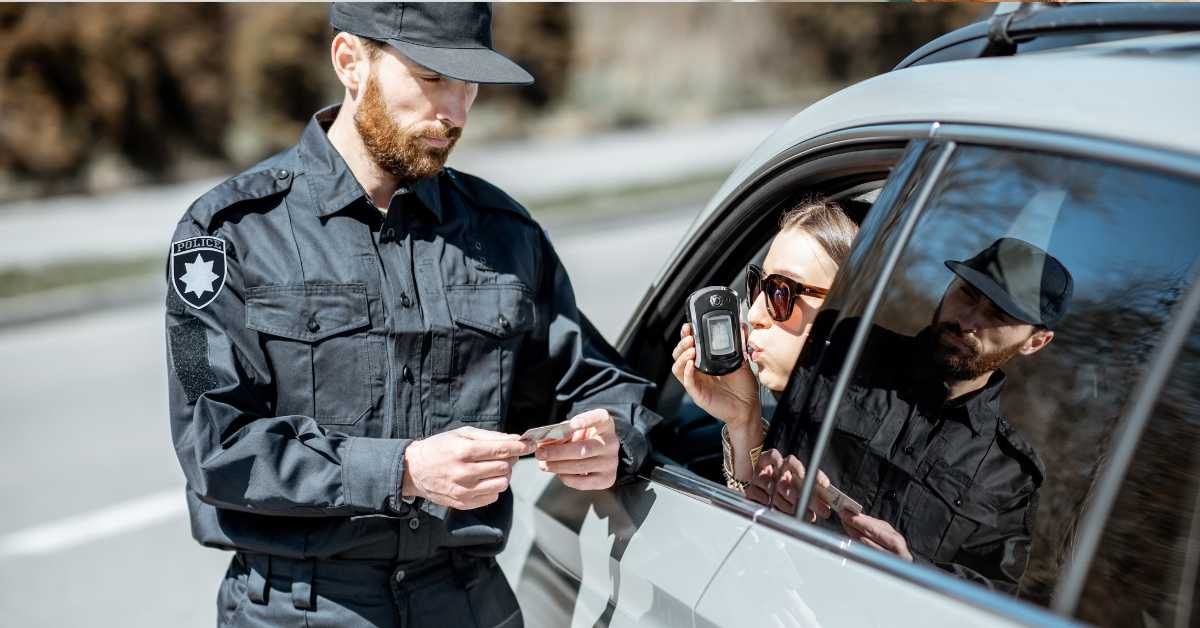
What Officers Look For at a Colorado DUI Stop
Colorado peace officers are trained to identify a standard checklist of behavioral indicators when investigating a possible violation of C.R.S. § 42-4-1301, the state's DUI and DWAI statute:
- Swerving, drifting, or weaving within a lane
- Slow or delayed reaction times
- Difficulty following multi-step instructions
- Slurred or thick-tongued speech
- Odor of alcohol from the vehicle or person
- Poor performance on Standardized Field Sobriety Tests (SFSTs)
Each of these can be produced by alcohol. Each of them can also be produced by something else entirely.
How Anxiety Mimics DUI Signs
A traffic stop is a high-stress event. For drivers with diagnosed anxiety disorders, or even otherwise healthy drivers experiencing acute situational anxiety, the physiological response can look indistinguishable from intoxication:
- Trembling hands and visible shaking
- Sweating, flushed face, rapid breathing
- Rapid or pressured speech
- Difficulty processing or following the officer's instructions
- Trouble standing still on the One-Leg Stand or Walk-and-Turn
The National Institute of Mental Health recognizes that anxiety disorders affect motor control, concentration, and speech, the same domains officers use to evaluate impairment.
How Fatigue Is Mistaken for Impairment
Drowsy driving and drunk driving look almost identical from the outside. Drivers coming off long shifts, overnight travel, or untreated sleep apnea can exhibit:
- Lane drift and delayed steering corrections
- Slowed reaction time and impaired judgment
- Microsleeps — brief, involuntary lapses into sleep
- Heavy eyelids that an officer may interpret as the "bloodshot, watery eyes" listed in DUI training materials
The National Highway Traffic Safety Administration has long acknowledged that fatigue produces driving impairment comparable to alcohol, and the behavioral signs overlap.
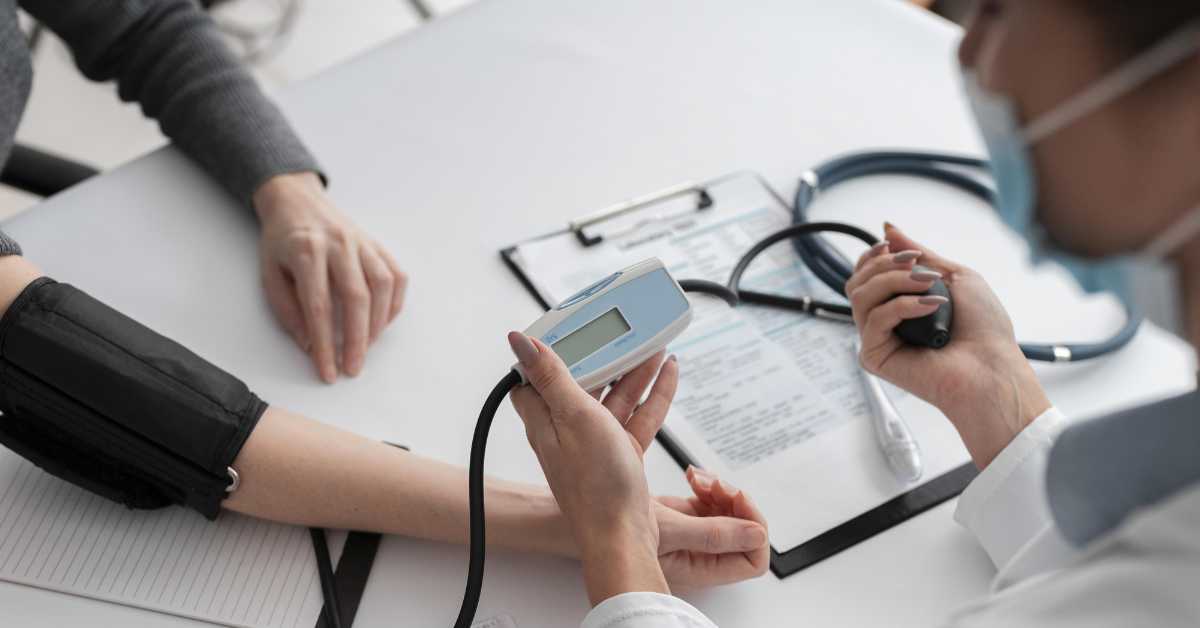
Medical Conditions That Trigger False DUI Indicators
Several common medical conditions produce symptoms that, in isolation, can look exactly like alcohol or drug impairment:
Diabetes and hypoglycemia
Low blood sugar causes confusion, slurred speech, sweating, and unsteady movement. A diabetic episode in progress can read as intoxication on every standard checklist.
Neurological disorders
Multiple sclerosis, Parkinson's disease, post-concussion syndrome, and traumatic brain injury can permanently affect balance, gait, and speech clarity.
Vertigo and inner-ear conditions
Disorders like benign paroxysmal positional vertigo (BPPV) directly impair the balance functions the One-Leg Stand and Walk-and-Turn are designed to test.
GERD and acid reflux
Mouth alcohol from regurgitated stomach contents can artificially elevate a breathalyzer reading without any change in actual blood alcohol concentration (BAC).
Prescription medications
Many lawfully prescribed medications, including antihistamines, anti-anxiety drugs, and pain medications, depress the central nervous system and produce drowsiness, slowed speech, or coordination problems.
Why Field Sobriety and Breath Tests Are Not Foolproof
The three Standardized Field Sobriety Tests endorsed by NHTSA - the Horizontal Gaze Nystagmus, Walk-and-Turn, and One-Leg Stand - were designed for a specific population in a specific testing environment. In the real world, performance is influenced by:
- Uneven roadside surfaces and gravel shoulders
- Weather, lighting, and passing traffic
- Footwear (heels, work boots, flip-flops)
- Age, weight, fitness level, and pre-existing injuries
- Anxiety, fatigue, and any of the medical conditions listed above
Breath tests carry their own reliability issues. GERD, diabetic ketoacidosis, and recent use of mouthwash or breath spray can produce inflated readings. Improper officer training, lapsed Intoxilyzer calibration, and failure to observe the required deprivation period before testing are all potential challenges to admissibility.
What to Do If You're Stopped in Colorado
The advice that often appears in DUI blogs, "just refuse all the tests," is wrong as a blanket statement under Colorado law. The state's express consent statute, C.R.S. § 42-4-1301.1, draws important distinctions:
- Roadside Standardized Field Sobriety Tests (Walk-and-Turn, One-Leg Stand, HGN) are voluntary in Colorado. You can decline. However, refusal can still be observed and may be referenced in establishing probable cause for arrest.
- The preliminary roadside breath test (PBT) is a separate handheld device used to help establish probable cause. Drivers 21 and older can generally decline a PBT, and that refusal generally cannot be used at trial except on probable-cause issues.
- The post-arrest evidentiary breath or blood test is governed by Colorado's express consent law. Once an officer has probable cause to believe you were driving in violation of the DUI, DUI per se, DWAI, or UDD statutes, you are required to take and cooperate with a chemical test. Refusal triggers a one-year driver's license revocation for a first refusal, designation as a Persistent Drunk Driver, and admissibility of the refusal as evidence at trial. Commercial drivers face an additional 24-hour out-of-service order and a one-year revocation of commercial privileges.
If you have a medical condition that affects how you appear to officers, three steps protect you:
- Stay calm and polite. Provide your license, registration, and proof of insurance. You are not required to answer questions about where you were or what you consumed.
- Disclose the medical condition early. Tell the officer you have diabetes, an anxiety disorder, a neurological condition, or any relevant prescription. This becomes part of the record.
- Request a medical evaluation if appropriate. If you believe you are experiencing a medical event, ask for medical assistance. Documentation contemporaneous with the stop is some of the strongest defense evidence available.
Talk to a Greeley DUI Defense Attorney
A DUI charge in Greeley, Fort Collins, Fort Morgan, or anywhere in Colorado is not the end of the story, particularly when the symptoms officers documented have a medical explanation. Cases are won by careful evaluation of the stop, the testing procedure, the officer's training, and the medical record.
Call Grant & Associates Law Firm, P.C. at (970) 356-5666 or contact us online to discuss your case with a Greeley DUI defense attorney.
Frequently Asked Questions
Can a DUI charge in Colorado be dismissed because of a medical condition?
Yes. Colorado courts can suppress evidence or dismiss charges when defense counsel demonstrates that the symptoms officers relied on were caused by a documented medical condition rather than impairment. Medical records, expert testimony from physicians, and Intoxilyzer challenges are all standard tools.
Does refusing a roadside breath test help my case?
Not usually, and the consequences depend on which test is being requested. Refusing the post-arrest evidentiary breath or blood test under Colorado's express consent law triggers an automatic one-year license revocation and can be used against you at trial. Refusing the preliminary roadside breath test (PBT) carries different and generally lesser consequences.
Can GERD really cause a false breathalyzer reading?
Yes. GERD can introduce mouth alcohol — alcohol in the oral cavity that has not been processed through the lungs — which inflates breath test results. This is one reason Colorado law requires officers to observe a deprivation period before testing.
How long do I have to challenge a license revocation in Colorado?
You have seven days from the date of the Notice of Revocation to request a hearing with the Colorado DMV. Missing this deadline forfeits your right to contest the administrative revocation, regardless of what happens in your criminal case.